The public library was demolished after rats and black mold exposed asbestos in its ceiling and walls. Neatly stowed behind the gypsum board between the “young adult” and “photography” sections was a young adult holding a photograph. The workmen discovered the girl when they demolished her tomb. Her body had been mummified—organs removed, embalmed using salt. She was wrapped in linen, sleeping in the walls since 1959, when the building was first erected.
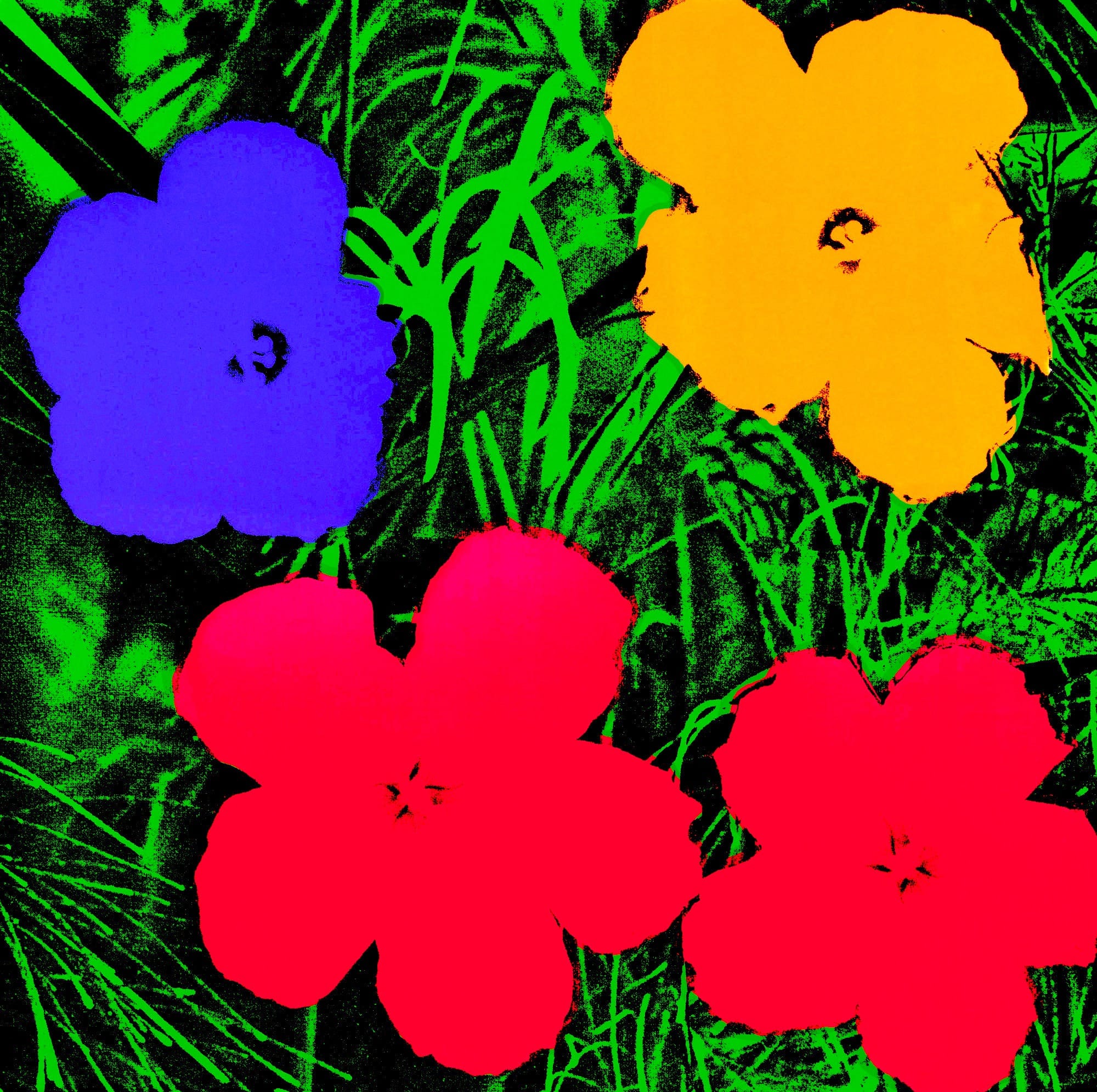
The discovery of a corpse stashed away in a public building was worthy of alarm and gossip in the small town of Danbury, but what made the incident most intriguing (and disturbing) was the jewel inlay in the frontal bone of the cadaver’s skull and the pelvic scrimshaw depicting ancient runes. Most curious of all, the perfect bloom of a red carnation stemmed from a small mound of rat feces placed in the back of the cranium, growing through the orbital socket of the skull’s left eye. With no light for the flower to grow, its presence and perfect condition were a mystery.
The photograph that accompanied the body had been preserved, pressed between the linens, and placed face down over where the heart would have been had it not been removed. It was a black and white picture of a young girl, presumed to be the identity of the corpse. She wore a pirate costume and carried a cloth sack burdened with small objects. She smiled for the camera with her eyes closed. Well, one of them certainly was—the other lay concealed under a black patch.
The gem embedded in her forehead was a rare lozenge-cut emerald. Its chemical fingerprint revealed that the stone’s likely origin was Columbia, and that it was unearthed from a depth of 10 miles beneath the ground, far deeper than any mine.
Two weeks after the discovery of the Librarian, which was the moniker the press had given the unidentified corpse, a black bear was found dead in the exact center of the football field at Danbury High School. At the midpoint of the 50-yard-line, right over the logo of the Lumberjack in mid-swing, the beast lay flat on its back, thick limbs spread like the Vitruvian Man. Its organs had been removed, a red carnation placed gently in the parting between the animal’s glossy black lips. An amethyst the size of a football was draped in flesh and covered in hide, resting deep within a wet pocket where the bear’s stomach should have been. The Lumberjacks had lost their homecoming game to their dreaded rivals, The Bears, and it opened up discussion that maybe the kill had been a retaliatory action.
The symbols carved on the Librarian’s pelvis were dominated by the Dagaz rune, which looked a little like a figure-eight resting on its side, or the symbol for infinity, also known as a lemniscate. The Dagaz rune comes from the Elder Futhark runic alphabet, and most commonly translates to “day,” though it can also mean “awakening,” “enlightenment,” and symbolize a transformation, or a transition from darkness into light. Over many cups of herbal tea and sessions of reflective meditation, the woo-woo ladies of Danbury discussed the many interpretations of the coming of the Great Librarian, the Goddess of Teaching and Wisdom, and her spirit guide, Ursa, the she-bear in the sky.
Carnations are most prominent in Colombia, grown in great quantities on the high-altitude plateau of the Sabana de Bogotá. However, during the summer of the discovery of the Librarian, the Danbury Mummy, carnations grew in numbers unrivaled worldwide, prolific in the fields throughout Northwestern Wisconsin. Predominantly red, their blooms covered the green fields, overtaking corn and soy like a wildfire of rubies spilled across an emerald floor. The carnations died out in autumn and did not return after winter.
Astronomers were shocked to discover that Muscida, the star of the eye of Ursa Major, The Great Bear, had winked out, going dark in the night sky. The woo-woo ladies started a cult, and have thousands of followers. The Lumberjacks have yet to win their conference and once again lost to their rivals, the Bears. The young girl found in the walls of the Danbury public library remains unidentified, her body now buried in the local cemetery, where visitors place carnations on her grave.
-- James Callan lives and writes in Aotearoa (New Zealand). His fiction has appeared in APOCALYPSE CONFIDENTIAL, X-R-A-Y, Hobart, Reckon Review, and elsewhere. His collection, Those Who Remain Quiet, is available from Anxiety Press.